I picked this tray of vegetables before the rain. The rain has left Queensland to inundate us with what seems like buckets of water roaring down from the sky. I was in the Gold Coast when Toowoomba experienced what has been named an inland tsunami and on that day I did not see the sky at all. Now I am experiencing this humid damp weather in Melbourne. I harvested all the vegetables ready for picking. I'd hate to see them go mouldy in the rain, especially the zucchinis which are practically sitting on the wet mulch.
The eggplant is the first of the season (in my garden) but I have enjoyed freshly picked tomatoes, zucchinis and beans since December. The basils I have picked to make pesto. They are doing quite well and I will keep putting in basil seedlings and hopefully I shall have the fresh herbs up till May.
The dwarf butter beans were the first to fruit but I am afraid the plants are being shadowed by the bigger tomato and eggplant bushes so I may be losing them soon. I have been picking them since December and most time I would pick the very young beans to snack on when I am working in the garden. The seedling of the purple bean appeared in the garden box without my help at all. I must have dropped some mature beans in the soil from last season. It is doing very well and I can see more flowers appearing. As for the climbing beans, I cannot keep up with them. However I shall plant more seeds to stagger the harvest. Beans are amongst the easiest vegetables to grow and when you have too much they can be eaten raw or added to vegetable pickles to add interest to the table. They are sweeter when picked young but I tend to forget about them until they are fat and tough, but they are still good for steaming or stir frying. My vegetable plants seem to flourish on compost and cow or sheep manure.
The zucchinis are obviously thriving. I have to remember to pick them before they swell into gigantic marrows suitable for the Big Friendly Giant. I have two varieties growing but cannot remember their names. The fat one will have to be pickled. I use the thick rind for pickling with other vegetables and cook the soft centre with tomatoes and plenty of basil or oregano.
As I write this I can see the rain just pouring down. It will be a wet and humid summer and I am sure that is not going to be good for the roses which are starting to flower again. I won't be able to go out into the garden today so it will have to be cooking the harvest in the muggy kitchen.
Wednesday, January 12, 2011
Saturday, January 1, 2011
Day lily and shasta daisy
These two plants must be the lazy gardener's best companions as with so little effort they will produce such a show in summer. As its name implies, the day lily has to be enjoyed on the day it opens. However, a flower stalk usually carries a few buds so you can be assured of at least a week long of showiness. I brought the plants from my previous garden, temporarily housing them in pots, and planted them in the garden bed facing north west. Nothing happened the first year. Even the leaves looked small and insignificant. I heaped more compost and blood and bone. The heavy rain must have helped as well. The plants came up looking strong and healthy and when the flower stalks appeared I was thrilled. I love results in my garden and if a plant is not doing what it should be doing I will go looking for the reasons why it is failing. My peas, for example, are a miserable failure. I have harvested a few pods, eating the sweet peas in the garden and that is all I am going to get. The plants seem to refuse to grow any bigger. The other plants in the bed are thriving so it cannot be from poor soil. Maybe I need to add some lime to create a more neutral soil, not too high in acid. I don't know if I'll bother with peas. Another failure is the brassicas. The cabbage leaves are full of holes and the brussel sprouts are taking their time in producing a crop.
The shasta daisy seems to flourish without much help, except for tying them up to a stake. The mass of white flowers are a joy to look at. They seem to sing out summer and sunshine. Given half a chance they will spread. If you have space and little time for gardening plant the shasta daisy and you will not fail. I will be dividing them in autumn and may put some in pots for next summer's "show" on the verandah perhaps.
Wednesday, December 29, 2010
garden view from my window
At the moment this is what I see from my front window. The red rose is Mr Lincoln. It has been flowering since October and I must remember to feed it and the others when I can free myself from the necessary chores of pruning the overgrowth that is inevitable with the rain and warmth we have been getting.
The jacaranda is still looking beautiful even when it is dropping its blue flowers every minute. The footpath is strewn with the flowers and they look lovely before they turn brown. I sweep the dead flowers when I can and use them as mulch. No point in putting them into the compost bin.
I am also seeing the agapanthus opening up, both the blue and yellow. The agapanthus may be a noxious weed but I love to look at the flower heads dancing in the summer breeze. I remove the seed head before they get a chance to spread. Last year I covered some seeds from the miniature agapanthus with potting mix, in a two litre ice cream tub and now I have the tiny seedlings waiting to be planted out. I may grow them in containers that need only be brought out for show when in flower. The agapanthus do take up a lot of room so having the miniature variety in containers may be the way to go.
The jacaranda is still looking beautiful even when it is dropping its blue flowers every minute. The footpath is strewn with the flowers and they look lovely before they turn brown. I sweep the dead flowers when I can and use them as mulch. No point in putting them into the compost bin.
I am also seeing the agapanthus opening up, both the blue and yellow. The agapanthus may be a noxious weed but I love to look at the flower heads dancing in the summer breeze. I remove the seed head before they get a chance to spread. Last year I covered some seeds from the miniature agapanthus with potting mix, in a two litre ice cream tub and now I have the tiny seedlings waiting to be planted out. I may grow them in containers that need only be brought out for show when in flower. The agapanthus do take up a lot of room so having the miniature variety in containers may be the way to go.
Wednesday, December 8, 2010
After the rain
In between the heavy downpour I went out into the garden to check for damages. The jacaranda flowers are barely opened and they have been blown on to the footpath. The dills are bent double, their seedheads burdened with raindrops.The coriander is too delicate to stand up to the downpour and even the rotund hydrangea bush is feeling the weight of the droplets hanging from every leaf and petal.
I don't complain about the rain. I merely worry about the seedlings, especially of the sunflowers, which are a bit slow this year. I suspect the low temperature is slowing down their growth. After today's heavy downpour I hope they will survive the onslaught of snails and slugs, which are bound to be on the lookout for delicate morsels. Last January the sunflowers were in full bloom but I am not very hopeful this time.
poppies
I harvested the poppy seeds, the red and mauve, before the pounding rain. Many of the seeds would have fallen to the ground but I wanted to harvest some to give away. The red poppies started blooming even before November and by Remembrance Day there was a lovely patch near the front fence, attracting passers by. The brilliant red was a contrast to the delicate pink of the ballerina rose.
The stems look delicate but they somehow manage to survive the wind and rain. The mauve poppy however is a show of strength. Even when the paper thin mauve petals have been blown away the plants look majestic with their upright pods. The poppy seeds germinate easily but the seedlings do not like being transplanted. If you need to move them do so when they are still little. You can start sowing the seeds from late winter.
Monday, December 6, 2010
Mermaid
The Mermaid rose is a beautiful climbing rose too rarely seen in the home garden. Mine came from a cutting taken when the neighbour's climber spilled over the fence on to my previous garden. I had the rose growing in a pot for several years and when I came to this garden I planted it against the north east facing fence. It did not take long for it to shoot up. I will quote Stirling Macoboy's description (from Macoboy's Roses). "The shining foliage is more or less evergreen, and the huge, perfect flowers are single, softly scented, and of palest yellow crowned with great bosses of amber stamens which remain in beauty after the petals fall." When I have the cut flowers inside, I would leave them in display when the petals have dropped because I just love the look of the stamens. At this time of the year when I am driving around the suburb I look out for the Mermaid and I have seen a couple draped over the front fence. I am vigilant in stopping my Mermaid from doing that as I would have to battle with the thorny branches when they get out of hand. I prune the branches the moment they come up to the top of the fence.
Thursday, November 18, 2010
abundance of broad beans and herbs
I am not complaining but giving away broad beans and herbs can be hard work. (From the top, broad beans, golden marjoram, pennywort with celery, oregano and coriander in bloom, and dill). It is so wonderful to see the fat beans. I have been harvesting them at different stages of growth. The young ones are delicious, simply fried in a little butter and this dish makes a substantial topping on toast for breakfast. The fat mature pods have been picked and the beans steamed. I was going to freeze the excess but knowing the failure of home freezing I will dry the beans instead. I may dry enough to make a small serving of falafel!
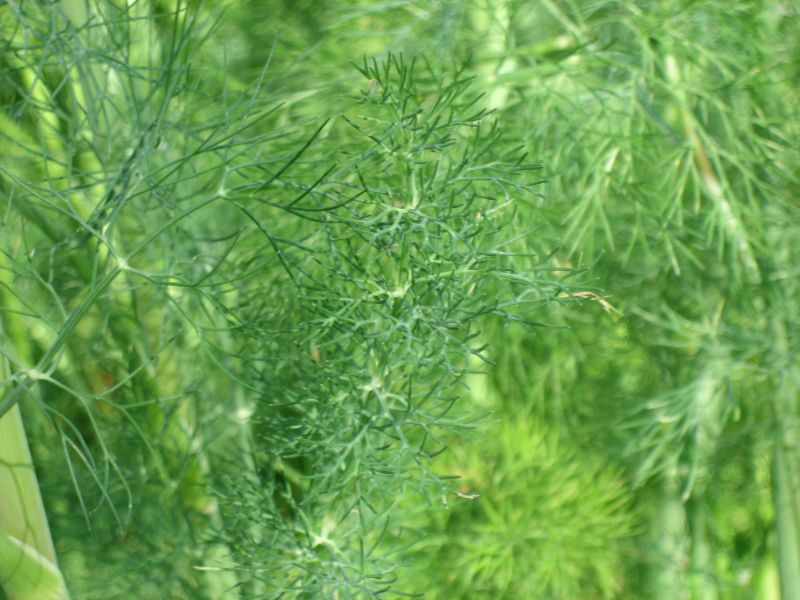
The dill plants are flowering and I am expecting a lot of seeds which I shall save to use in my cooking. I will allow others to self sow for more dill plants in the garden. A salad of broad beans and dill with a dressing of lemon juice and olive oil is delicious. Just so I do not run out of dill in the next couple of months, I am looking after baby dills I am discovering in different parts of the garden. I am doing the same with parsley as most of the plants are going to seeds and if I don't make an effort to nurture some babies found around the garden I will end up having to buy parsley in summer.
Coriander tends not to do well in summer, bolting after sending out a few leaves. I have enjoyed the coriander in late winter and early spring and they now overgrown and full of flowers. I will sow a few more seeds in shady areas and make sure they are watered well.
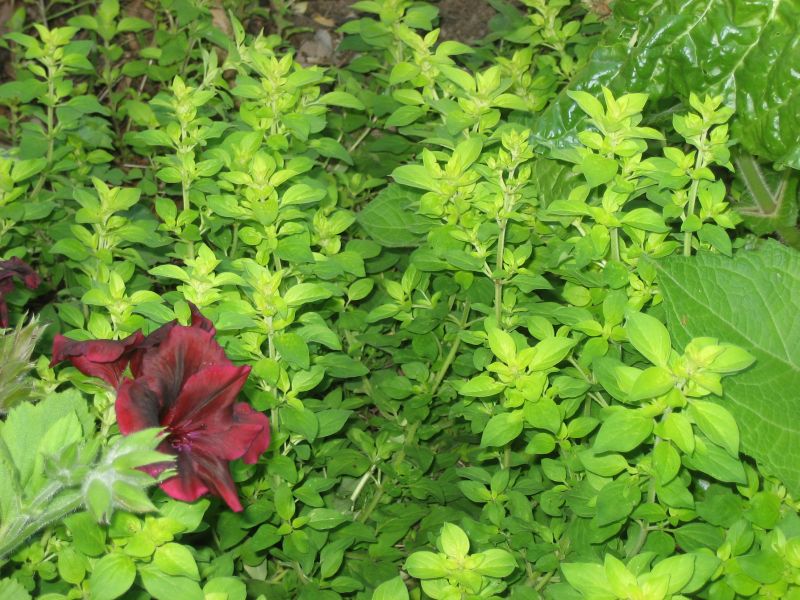
The golden marjoram patch is wonderful to look at. It would look good in a hanging basket but I can be quite forgetful about watering them so I have decided not to bother with the decorative hanging baskets. The oregano are sending out flower buds and I am picking bunches to dry. They are handy to have in the pantry for pizzas and tomato dishes.
The pennywort is sending out suckers. This has been called athritic herb as it is supposed to bring relief to those suffering from this dreaded disease. I like to eat it raw. I hope my patch will grow bigger so I can begin to harvest the leaves for a Malay salad.
The dill plants are flowering and I am expecting a lot of seeds which I shall save to use in my cooking. I will allow others to self sow for more dill plants in the garden. A salad of broad beans and dill with a dressing of lemon juice and olive oil is delicious. Just so I do not run out of dill in the next couple of months, I am looking after baby dills I am discovering in different parts of the garden. I am doing the same with parsley as most of the plants are going to seeds and if I don't make an effort to nurture some babies found around the garden I will end up having to buy parsley in summer.
Coriander tends not to do well in summer, bolting after sending out a few leaves. I have enjoyed the coriander in late winter and early spring and they now overgrown and full of flowers. I will sow a few more seeds in shady areas and make sure they are watered well.
The golden marjoram patch is wonderful to look at. It would look good in a hanging basket but I can be quite forgetful about watering them so I have decided not to bother with the decorative hanging baskets. The oregano are sending out flower buds and I am picking bunches to dry. They are handy to have in the pantry for pizzas and tomato dishes.
The pennywort is sending out suckers. This has been called athritic herb as it is supposed to bring relief to those suffering from this dreaded disease. I like to eat it raw. I hope my patch will grow bigger so I can begin to harvest the leaves for a Malay salad.
Subscribe to:
Posts (Atom)